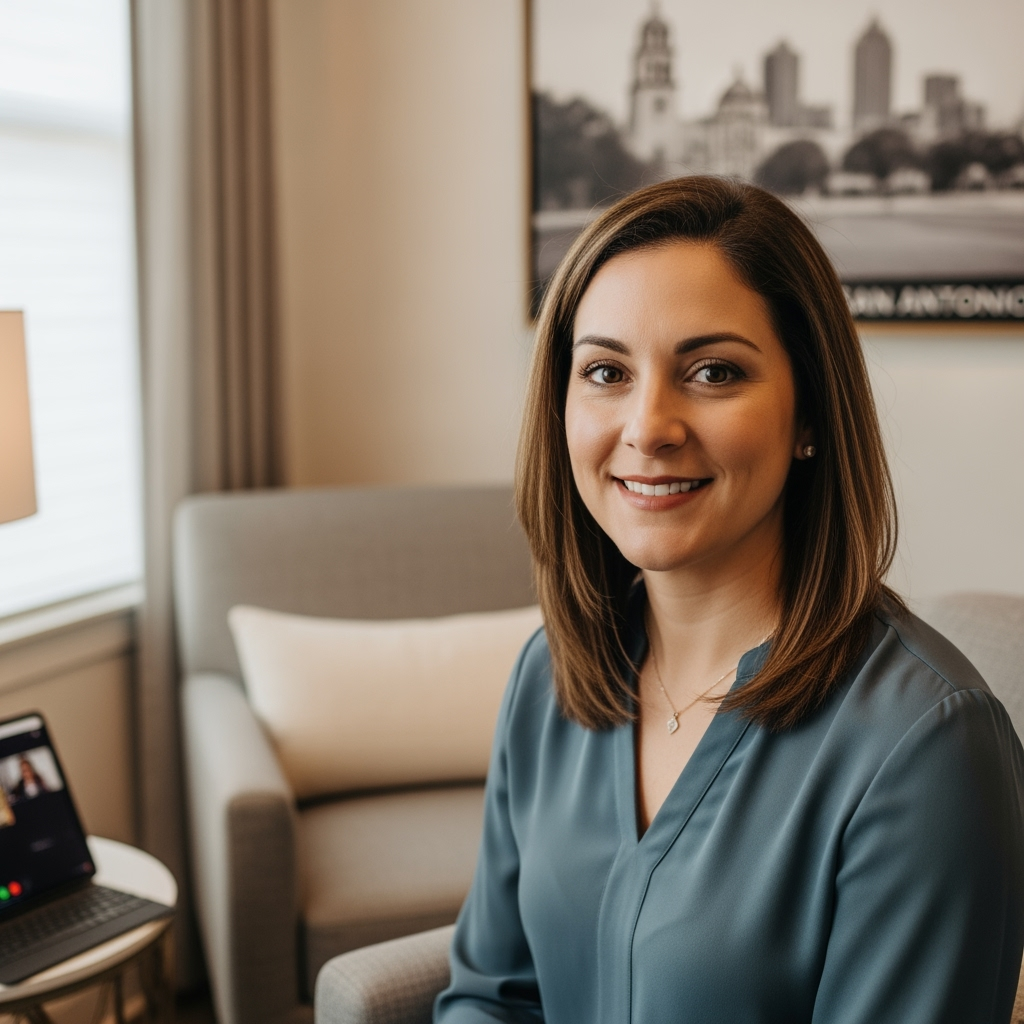
I know searching for help can feel confusing, so I put together this guide to make it easier to understand options for Targeted Keyword Phrase and how it works in our city. If you want a quick read backed by solid health guidance, the CDC offers straightforward tips on mental health and coping strategies that align with what many counselors use in telehealth visits. Over the next few minutes I’ll walk you through what online therapy looks like in San Antonio, how to pick a counselor, trends that matter, and simple next steps so you can feel supported without unnecessary guesswork.
Why online therapy makes sense in San Antonio
San Antonio is a large, spread-out city with busy commutes, shifting schedules, and neighborhoods from Alamo Heights to Stone Oak to Southtown. Online therapy solves common access problems by letting people meet with a counselor from home, from work, or during a lunch break. Many people tell me they keep skipping in-person appointments because of traffic, childcare, or hours at work. Online sessions shrink those barriers.
Beyond convenience, online therapy increases privacy for clients who live with family or work in close quarters, and it opens access to therapists who might not have an office nearby. For folks juggling family, school, or irregular shifts, the flexibility matters most. Online sessions can be secure, private, and tailored to your needs when you choose the right provider and use a reliable platform.
How virtual counseling sessions typically work
A typical session uses a secure video platform or, in some cases, phone or secure messaging. You and your therapist agree on a schedule and a platform in advance. Sessions usually run 45 to 55 minutes, and many therapists offer a free 10- to 15-minute phone consult so you can see if the fit feels right. You will want a quiet, private space and a stable internet connection for the best experience.
Common mental health needs people bring to online therapy
People book online therapy for many reasons. In San Antonio I commonly hear concerns about stress, anxiety, depression, relationship conflicts, parenting challenges, grief, and life transitions like career changes or moving. Online therapy also works well for ongoing coaching, cognitive behavioral work, and skill building for emotional regulation. If you have specific trauma or serious psychiatric needs, a counselor will help you connect with the right level of care, whether that is specialized therapy or a local provider who can work with medication management.
What to look for when choosing an online counselor
Choosing a counselor is both practical and personal. Credentials matter, but so does fit. Look for someone licensed in Texas, with relevant experience for your concern. Pay attention to the platform they use, how they protect privacy, and whether they offer a clear fee structure or accept insurance. Read any available bios and look for mentions of work with your age group, cultural background, or specific issue. A therapist who lists specialties like anxiety, relationships, or trauma will usually describe their approach — for example, cognitive behavioral therapy, EMDR, or acceptance and commitment therapy.
Questions to ask before your first session
- Are you licensed to practice in Texas and what is your license level?
- What is your typical approach for someone with my concern and how many sessions do you usually recommend?
- Which platforms do you use and how is my privacy protected during sessions?
- Do you accept insurance or offer a sliding scale, and how do you handle cancellations?
How to prepare for your first online therapy session
Preparation helps you get more from the first session. A little planning ensures the technology runs smoothly and that you feel safe and ready to talk. Aim to create a consistent space and time for sessions so they feel like a real appointment in your week.
- Pick a private spot where you won’t be interrupted and test your camera and microphone ahead of time.
- Have a list of current concerns, a few goals you want to work on, and any medications or medical history you think are relevant.
- Set realistic expectations: first sessions often include assessment and goal-setting rather than immediate fixes.
- Plan a small self-care routine after the session, like a walk or quiet time, to process the conversation.
Costs, insurance, and local resources
Costs for online therapy vary. Some counselors accept major insurance plans, while others work on a private-pay basis with sliding scales. If insurance is important, call your insurer to confirm coverage for telehealth behavioral health visits and ask if the therapist is in-network for Texas. For people who are uninsured or underinsured, some counselors and clinics offer sliding scale fees or community mental health programs that can help.
San Antonio sits within a larger region of fast population growth, which affects demand for mental health services. Local population shifts mean access can sometimes be a challenge, but teletherapy helps by expanding the pool of available clinicians. For broader demographic information on the city and region, the U.S. Census provides reliable population data and trends that help explain why telehealth has become more necessary for many households across the area.
Trends shaping online therapy now
Two trends are especially relevant for people in this area. First, telehealth parity laws and insurance changes in many states are improving coverage for virtual mental health visits. That means more people can use their benefits for online therapy. Second, there is growing interest in hybrid care — combining occasional in-person visits with virtual sessions to increase flexibility without losing continuity of care.
Another emerging trend is integrating behavioral health with primary care. More clinics and health systems are offering coordinated approaches so doctors and counselors can work together. This helps when mental health symptoms intersect with chronic health conditions common in the region, because coordinated teams share goals and treatment plans.
How online therapy helps solve common local pain points
Here are practical ways online therapy addresses everyday problems people face in San Antonio:
- Eliminates commute and parking stress, saving time for work and family.
- Offers better scheduling for shift workers, parents, and students.
- Increases privacy for people who prefer not to run into neighbors at an office.
- Connects you with specialists who might not have an in-person office nearby.
When online therapy might not be the best option
Online therapy is a strong choice for many, but it has limits. If you are experiencing active suicidal thoughts, psychosis, or a medical emergency, online counseling should be paired with immediate local resources or emergency services. Some people also prefer in-person contact, or need hands-on services that cannot be delivered virtually. A good clinician will screen for these needs and suggest safe local alternatives when necessary.
Real steps to get started in San Antonio
Starting is often the hardest part, so here is a simple path you can follow right now.
- Decide what you want from therapy. Is it short-term coping, ongoing support, or help with a specific issue?
- Check licensing and specialties. Confirm the clinician is licensed in Texas and has experience with your main concern.
- Confirm technology and privacy. Ask which platform they use and whether sessions are encrypted.
- Book a short consult. Use that initial call to see if the clinician’s approach and personality feel like a fit.
Practical tips for a successful virtual therapy experience
Many clients tell me small changes make a big difference. Try to treat your teletherapy appointment like an in-person visit. Set a reminder, find a quiet space, and show up a few minutes early to check tech. If you’re using a phone, consider headphones for clearer audio and added privacy. Be honest with your clinician about what is and isn’t working so you can adjust the plan together.
Local supports and finding community
San Antonio offers a mix of private practices, community mental health centers, and online-only clinicians. If cost is a concern, community health programs and local nonprofit clinics sometimes provide lower-cost services. If you prefer culturally specific care, look for clinicians who explicitly list cultural competence or bilingual services. Neighborhoods like Downtown and the Medical Center corridor are home to many clinics, but online therapy opens access for residents across the entire city and surrounding suburbs.
Wrapping up and what to do next
If you’re ready to try online therapy, start by identifying a few therapists who meet the license and specialty criteria, request brief consultations, and pick the one who feels right after that first talk. Online therapy can be flexible, private, and effective when you take these practical steps and choose a provider you trust.
If you’d like tailored support now, Balanced Counseling SA can help you explore online options and schedule an initial consult. Visit Balanced Counseling SA to learn about services and book a time that fits your life.