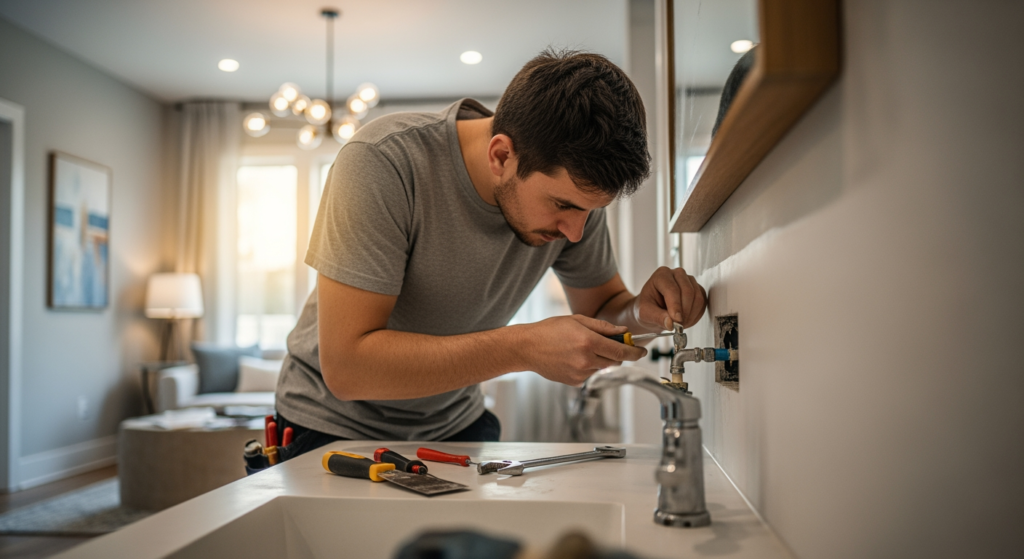
I’ve spent years helping homeowners keep old houses standing and newer homes running smoothly, and I know how quickly a small issue can turn into a full-blown emergency. If you’re searching for home repair Athens GA, you’re not alone — homeowners in this area face unique weather, age-related wear, and local building quirks that change what repairs come up most often. For quick facts about housing and population trends that affect repair demand, the U.S. Census Bureau is a helpful reference for big-picture planning: Census Bureau.
Why local home repair advice matters in Athens
Athens has a mix of historic neighborhoods and newer developments, from Downtown and Five Points to Normaltown and the streets near the university. That variety means repair needs are different from town to town. Older homes often have original wiring, older plumbing, and historic wood that needs special attention, while newer builds may require fixes related to modern systems like tankless water heaters and high-efficiency HVAC systems. I focus on practical, local solutions so you don’t waste time on fixes that won’t hold up here.
Common repair needs I see in Athens homes
Over the years, the most common calls I take fall into a few predictable categories. Knowing these can save you money by catching problems early.
- Roof and gutter problems after heavy rain or hail—clogged gutters and missing shingles lead to leaks.
- Plumbing issues from frozen pipes in colder spells and slow drains caused by tree roots or old pipes.
- Wood rot and termite damage in older framing and porches, especially here where humidity cycles are strong.
- HVAC wear and tear—older systems struggle in hot, humid summers and need regular maintenance.
Seasonal guide to repairs and maintenance
Timing repairs by season makes a big difference in cost and disruption. I recommend a simple seasonal plan to stay ahead of the usual problems that crop up in this region.
Spring
Spring is the time to inspect roofs and gutters after storms, clear debris to prevent water from pooling, and test the irrigation system. It’s also a good moment to check for signs of pest activity that ramp up as temperatures rise.
Summer
High humidity can accelerate wood rot and mold growth. Make sure porch railings, deck boards, and exterior trim are sealed and painted. This is also the best season to service your HVAC so it runs efficiently during peak cooling months.
Fall
Fall is ideal for attic inspections, sealing any air leaks, and insulating exposed pipes to prevent winter freeze. Clean out gutters and downspouts so leaves don’t trap moisture against the roofline.
Winter
Check for drafts around windows and doors and insulate where needed. Keep an eye on pipes in unheated areas and know where to shut off the main water valve if a freeze causes a burst pipe.
How much should common repairs cost locally
Price ranges vary with scope and materials, but it helps to have ballpark expectations so you don’t get surprised. Small repairs like fixing a leaky faucet or replacing a few shingles often run a few hundred dollars when you hire a professional. Mid-range jobs such as replacing a section of rotten deck or repairing a segment of plumbing typically fall into the low to mid-thousands. Major repairs like full roof replacement or extensive structural work can be several thousand dollars and up. Always get at least two written estimates and ask for a clear scope of work so you can compare apples to apples.
Simple repairs you can try safely
I believe in empowering homeowners to do small, safe repairs when appropriate. These actions often prevent bigger problems and give you confidence to manage your home.
- Clear and secure gutters using a sturdy ladder and gloves; remove debris to prevent overflow and fascia damage.
- Replace worn weatherstripping at exterior doors to cut drafts and reduce HVAC strain.
- Fix a running toilet by replacing the flapper valve or adjusting the float—these parts are inexpensive and widely available.
- Touch up exterior paint on trim and porches to slow wood rot and protect against moisture.
When to call a pro instead of DIY
I always tell homeowners to stop DIY and call a professional when work involves structural components, gas lines, major electrical wiring, roof penetrations, or anything that could create a safety hazard or code violation. Risks include personal injury and creating costly, unseen damage. A reputable contractor brings experience, permits, and a warranty that protects your investment.
Red flags that mean call a professional
There are a few signs that a repair is beyond quick DIY fixes: persistent damp spots that suggest hidden leaks, structural sagging or spreading cracks, recurring electrical problems like tripped breakers or flickering lights, and plumbing leaks that won’t stop. Don’t wait until a little damage becomes a major rebuild.
How to choose the right home repair pro in Athens
Finding the right local contractor doesn’t happen by chance. Here’s a step-by-step way I evaluate pros for a job near me, and you can use it too.
Hiring checklist
- Ask for proof of insurance and current licenses when applicable; a responsible contractor will provide this easily.
- Request references and examples of recent local work so you can see quality and consistency.
- Get a written estimate with a clear scope, timeline, and payment schedule to avoid surprises.
- Verify that permits will be pulled for work that requires them; unpermitted work can block future sales or create safety issues.
Trends shaping home repair in 2026
Two trends deserve attention because they influence repair choices and budgets. First, energy efficiency upgrades are no longer just nice-to-haves. Homeowners increasingly invest in better insulation, smart thermostats, and more efficient HVAC systems to lower bills and improve comfort. Second, smart home sensors and leak-detection devices are becoming common on repair calls; they help catch small problems early and can save huge sums by preventing water damage.
Another trend is material availability and pricing. Even as supply chains stabilize, certain specialty materials remain pricier than five years ago, which affects repair timelines and costs. Planning and flexibility with materials can help keep projects on budget.
Local repair challenges I help homeowners solve
In Athens, humidity and tree cover often combine to cause roof and siding issues, while older plumbing systems can fail unexpectedly. I focus on durable repairs that consider local climate—better ventilation in attics, moisture-resistant materials for trim, and plumbing fixes that reduce the risk of root intrusion or freeze damage. For historic homes, preserving original features while bringing systems up to code is a delicate balance I help clients navigate.
Action plan for a smart repair project
Start with a clear plan and simple checkpoints so a small issue doesn’t balloon. Here’s the three-step approach I use with homeowners during any repair project to keep costs down and results predictable.
- Inspect and diagnose: Identify the real problem, not just the symptom. That means looking beyond the surface to find underlying causes.
- Scope and estimate: Get a written plan that lists materials, labor, timeline, and who is responsible for permits and cleanup.
- Execute and verify: Monitor work quality and have a final walk-through to ensure all items on the scope are complete and working properly.
How to budget for unexpected repairs
Every homeowner should budget for unexpected repairs. I recommend setting aside about 1 to 3 percent of your home’s value annually for maintenance and small repairs, and building a separate emergency fund for sudden issues like a roof leak or major appliance failure. If you’re unsure about numbers, start modestly and track actual repair spending for a year to adjust your plan.
Energy-saving upgrades that also fix common problems
Some repairs double as upgrades. Replacing an old water heater with a more efficient model, insulating the attic, or installing a smart thermostat reduces ongoing costs while addressing comfort and system longevity. In humid climates, adding proper attic ventilation and vapor barriers stops mold growth and prolongs roof life, so choose solutions that serve two purposes when possible.
What to expect during the repair process
A good contractor will communicate clearly at every stage. Expect an initial visit to diagnose the problem, a written estimate, a schedule, and a final walkthrough. If the work requires a permit, the contractor should handle filing and inspections. If a contractor rushes to start without a clear plan, that’s a warning sign; quality work follows an agreed timeline and scope.
Final thoughts and next steps
Your home is one of your biggest investments, and regular attention prevents small issues from becoming major repairs. Start with seasonal checks, keep a local pro’s contact info handy, and tackle small maintenance tasks before they escalate. With the right planning, you’ll save money and keep your home comfortable year-round.
If you’d like a local pro to assess a problem or help plan repairs in Athens, contact Tipton’s Fine Tuned Carpentry for a consultation and clear, practical recommendations tailored to this area.